6 proven strategies on how reduce poultry feed costs in Kenya
Reducing poultry feed costs in Kenya requires a multi-faceted approach addressing farm-level management, procurement strategies, and macro-level policy reforms. Feed typically represents 65-75% of total poultry production costs in Kenya, making efficiency in this area critical for profitability.
1. Improved Management and Monitoring
Utilize Management Software: Implementing digital data systems allows farmers to track Feed Conversion Ratios (FCR) precisely. Identifying feed inefficiencies early can lead to a 5-12% reduction in feed cost per kg of product within the first six months.
Early Disease Detection: Using software to monitor daily feed and water intake can detect disease 48 to 72 hours earlier than visual inspection. In Kenya’s disease environment, early intervention prevents significant flock losses and maintains better growth performance.
Focus on FCR: Even a 0.1 improvement in FCR for a 10,000-bird broiler farm can save significant amounts over a year of production cycles.
2. Sourcing and Procurement Strategies
Direct Sourcing: Buying directly from manufacturers can bypass middleman markups from retailers and distributors, which can total 25-35%.
Bulk Purchasing: Buying a 1-3 month supply of feed can unlock significant discounts. For example, purchasing more than 20 bags can result in an 11% discount compared to single-bag prices.
Cooperative Buying: Smaller farmers can join cooperative buying groups to achieve the volume necessary for bulk discounts and direct sourcing from manufacturers.
3. Waste Reduction Techniques
Farmers can potentially lose 10-20% of their feed costs through hidden waste.
Upgrade Feeders: Investing in anti-waste feeders can have a return on investment in just 3-6 months by preventing spillage (which accounts for 5-10% of losses).
Proper Storage: Storing feed in dry, sealed containers prevents spoilage from moisture (3-5%) and consumption by rodents or pests (2-5%).
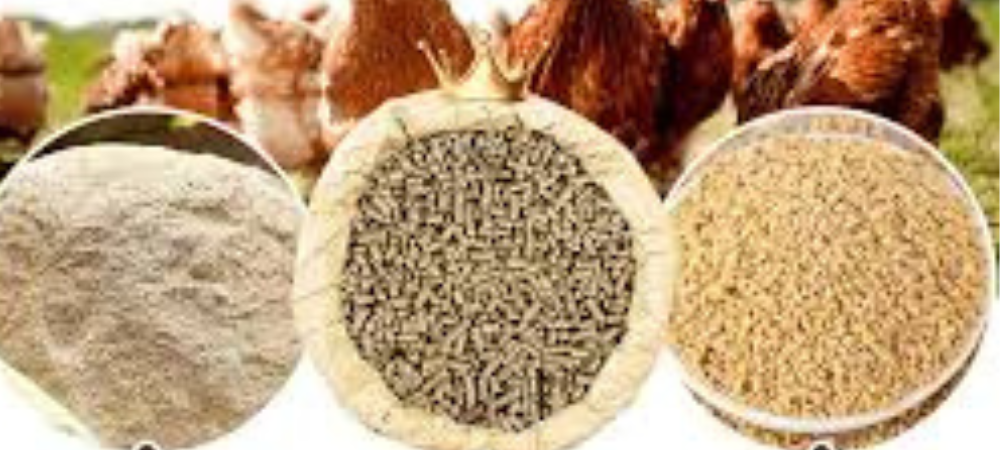
Use Pelletized Feed: Pellets can reduce spillage by 50% compared to mash.
4. Optimized Feed Formulation
Stage-Appropriate Feeding: Using a single feed type for all stages of a bird’s life is a common mistake that can add 15-20% in unnecessary costs. Farmers should use specific formulations for chicks, growers, and finishers to match their actual nutritional needs.
Alternative Proteins: Consider high-efficiency feeds that use fish-based proteins, which have higher digestibility (85-95%) than soy (75-80%), leading to better nutrient absorption and less waste.
Strategic Supplementation: Avoid over-supplementing with unnecessary boosters or probiotics if using a high-quality feed.
5. Policy and Structural Reforms
The sources indicate that high feed prices are largely driven by supra-competitive pricing of inputs like soymeal and maize.
Tackle Anti-Competitive Conduct: The Competition Authority of Kenya notes that input suppliers often charge Kenyan buyers significantly higher prices than international benchmarks, suggesting a need for better regulation of regional input markets.
Address County Tax Fragmentation: County-level levies like Agricultural Produce Cess and parking fees increase transportation costs and fragment the national market.