Soil Moisture Retention Techniques for Farmers in Kenya
Introduction
Soil moisture retention is one of the most critical aspects of successful farming, especially in countries like Kenya where rainfall is often unpredictable and drought conditions are common. Soil moisture refers to the amount of water stored in the soil that is available for plant uptake. When moisture is well conserved, crops grow healthier, yields increase, and farmers reduce dependence on costly irrigation. However, poor soil management practices such as excessive tillage and leaving land bare expose soil to evaporation and erosion, leading to rapid moisture loss. Studies and field experiences in Kenya show that adopting sustainable land management practices such as mulching, cover cropping, and terracing can significantly improve water retention and crop productivity.
Related: Get practical farming Guides, that helps you increase production and build profitable agribusiness
Importance of Soil Moisture Retention
Maintaining adequate soil moisture is essential for plant growth because water plays a key role in nutrient transport, photosynthesis, and temperature regulation. In dry and semi-arid areas (ASALs) of Kenya such as Makueni, Kitui, and parts of Laikipia, low rainfall has been a major cause of crop failure. By conserving soil moisture, farmers can extend the availability of water in the root zone even during dry spells. Additionally, moisture retention helps preserve soil nutrients and supports beneficial microorganisms that improve soil fertility. Without proper moisture conservation, even fertile soils can become unproductive due to water stress.
Mulching
Mulching is one of the most widely used and effective soil moisture retention techniques among Kenyan farmers. It involves covering the soil surface with organic or inorganic materials such as dry grass, crop residues, leaves, or plastic sheets. This protective layer reduces direct exposure of soil to sunlight, thereby minimizing evaporation and maintaining a cooler soil temperature. Research shows that mulching can significantly improve soil water retention by reducing evaporation and enhancing organic matter content.
In Kenya, many smallholder farmers use maize stalks, banana leaves, or grass as mulch, especially in vegetable farming and fruit orchards. For example, tomato farmers in Kirinyaga and Nakuru counties apply mulch to retain moisture and suppress weeds. Organic mulches also decompose over time, improving soil structure and increasing its water-holding capacity. According to studies in semi-arid Kenya, mulching is practiced by over 80% of farmers as a primary method of conserving soil moisture. (MDPI)
Conservation Tillage and Minimum Disturbance
Conservation tillage involves reducing the frequency and intensity of ploughing to maintain soil structure and organic matter. Traditional tillage methods expose soil to air, breaking down organic matter and increasing evaporation. In contrast, minimum tillage or zero tillage keeps the soil intact, allowing it to retain more moisture.
This approach is part of conservation agriculture, which is based on three principles: minimal soil disturbance, permanent soil cover, and crop diversification.These practices improve soil porosity and infiltration, allowing rainwater to penetrate deeper into the soil rather than running off the surface. In regions like Eastern Kenya, farmers who practice minimum tillage have reported improved soil moisture levels and increased crop yields.
Use of Organic Matter (Manure and Compost)
Adding organic matter such as farmyard manure and compost is another effective way of improving soil moisture retention. Organic materials increase the soil’s ability to absorb and hold water by improving its structure and porosity. In Kenya, farmers widely use manure from livestock such as cattle, goats, and poultry to enhance soil fertility and moisture retention.
Research indicates that over 90% of farmers in some Kenyan regions use manure because of its effectiveness in conserving soil moisture compared to inorganic fertilizers. Organic matter acts like a sponge, holding water in the soil and releasing it slowly to plants during dry periods. This is particularly important in sandy soils, which typically have low water-holding capacity.
Cover Cropping and Crop Rotation
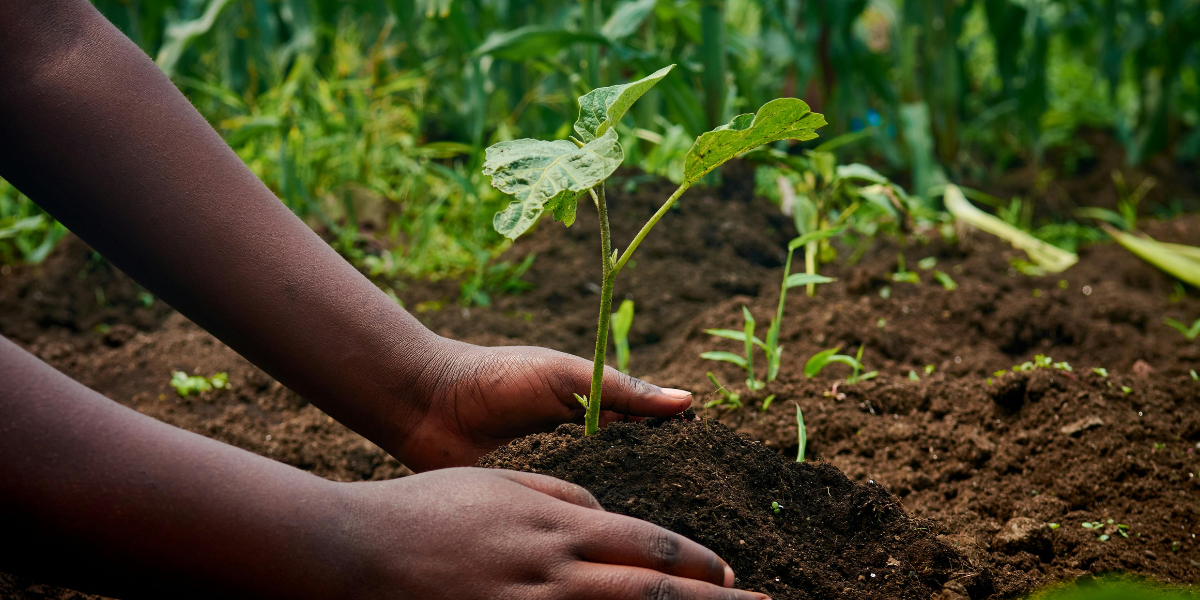
Cover crops are plants grown primarily to protect and improve the soil rather than for harvest. These crops, such as legumes, grasses, or clover, cover the soil surface, reducing evaporation and preventing erosion. They also improve soil organic matter when incorporated into the soil.
In Kenya, farmers often use legumes like beans or desmodium as cover crops. These plants not only conserve moisture but also fix nitrogen, enriching the soil. Crop rotation, on the other hand, involves alternating different crops on the same land to improve soil health and structure. Both practices help maintain soil cover and enhance moisture retention, making them essential components of sustainable farming systems.
Terracing and Contour Farming
Terracing and contour farming are mechanical methods used to reduce water runoff and increase water infiltration, especially on sloped land. Contour farming involves ploughing along the natural contours of the land, which slows down water flow and allows more time for infiltration. Terracing involves creating stepped levels on slopes to prevent soil erosion and retain water.
In hilly regions of Kenya such as Murang’a and Machakos, farmers use terraces and contour bunds to trap rainwater and reduce soil erosion. These techniques have been shown to significantly improve soil moisture retention and crop yields. They are particularly useful in areas prone to heavy rainfall followed by dry spells, as they help store water in the soil for later use.
Agroforestry and Shade Management
Agroforestry involves integrating trees and shrubs into farming systems. Trees provide shade, reduce soil temperature, and minimize evaporation. Their roots also improve soil structure and enhance water infiltration. Additionally, fallen leaves from trees act as natural mulch, further improving moisture retention.
In Kenya, agroforestry is widely practiced in regions such as Embu and Meru, where farmers grow crops alongside trees like grevillea and calliandra. These systems not only conserve soil moisture but also provide additional benefits such as fodder, fuelwood, and income from tree products.
Water Harvesting Techniques
Water harvesting is another important method of improving soil moisture retention. This involves collecting and storing rainwater for later use. Techniques such as zai pits, tied ridges, and farm ponds help capture runoff and increase water infiltration into the soil.
For example, farmers in Eastern Kenya dig planting basins or pits that trap rainwater and concentrate it around plant roots. These methods are especially effective in dry areas where rainfall is limited. Conservation initiatives in Kenya have promoted such practices, leading to improved water availability and increased farm productivity.
Conclusion
Soil moisture retention is a cornerstone of sustainable agriculture, particularly in regions facing climate variability and water scarcity. Techniques such as mulching, conservation tillage, use of organic matter, cover cropping, terracing, agroforestry, and water harvesting provide practical and effective ways for farmers to conserve soil moisture. In Kenya, these methods have proven successful in improving crop yields, enhancing soil fertility, and building resilience against drought. By adopting these practices, farmers can ensure consistent production, reduce reliance on irrigation, and promote long-term sustainability of their farming systems.