Learn 10 Ways On How to Reduce Poultry Mortality in Kenya
Introduction
Poultry farming in Kenya is growing fast—and for good reason. There’s strong demand for eggs and chicken, the startup costs are manageable, and returns can come quickly. But there’s one challenge that keeps holding farmers back: high mortality, especially among chicks and young birds. Losing birds doesn’t just cut into profits; it can disrupt your entire production cycle and make the business feel unpredictable.
The frustrating part is that most of these losses are preventable. In many cases, birds die not because of one major issue, but due to a mix of small management mistakes—poor feeding, weak biosecurity, bad housing conditions, or delayed treatment. That’s why solving this problem requires looking at the whole system, not just one area.
1. Disease Outbreaks
Diseases are by far the biggest cause of poultry losses. In Kenya, common ones like Newcastle disease, Gumboro, coccidiosis, and fowl typhoid can spread very quickly—sometimes wiping out an entire flock in just a few days. These diseases thrive in environments where hygiene is poor and birds are already stressed or weak.
Once a disease enters your flock, it doesn’t take long to spread. It can move through contaminated water, feed, equipment, or even your shoes. Many farmers also struggle with late diagnosis or using the wrong medication, which makes the situation worse and leads to heavy losses.
Prevention
The best way to deal with disease is to stop it before it starts. That means sticking to a proper vaccination schedule and not skipping key vaccines. Cleanliness also matters a lot—regularly washing and disinfecting the poultry house helps keep disease-causing organisms under control.
It’s also important to control movement in and out of your farm. Simple steps like using a footbath, limiting visitors, and isolating any sick birds can make a big difference. And when something seems off, don’t guess—talk to a vet early before the problem spreads.
2. Poor Nutrition
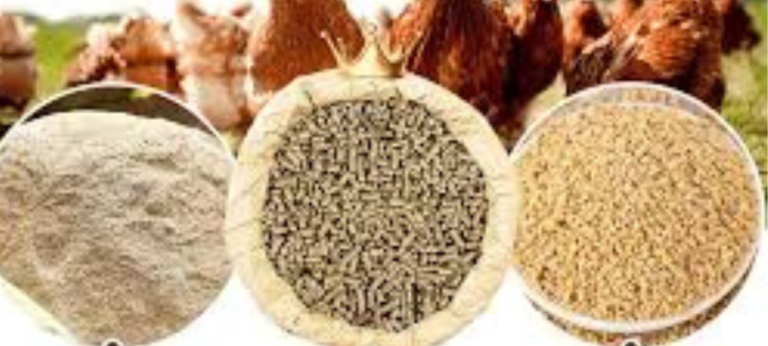
Feed is one of the biggest investments in poultry farming—and also one of the most common areas where things go wrong. Poor-quality or unbalanced feed leads to weak birds that grow slowly and can’t fight off diseases.
Some farmers try to cut costs by mixing their own feed without proper formulation. Unfortunately, this often results in nutrient deficiencies, which show up as poor performance and higher mortality, especially in chicks.
Prevention
Feeding your birds properly is non-negotiable. Use good-quality feed that matches the age of your birds—starter, grower, and finisher feeds all serve different purposes. Clean water should always be available, because even short periods without water can be dangerous. You can also support your birds during stressful periods by adding vitamins to their feed or water. And don’t forget storage—feed should be kept in a dry, clean place to avoid contamination.
3. Lack of Proper Vaccination and Veterinary Care
Skipping vaccinations or doing them incorrectly is a common mistake. Some farmers rely fully on hatcheries without confirming what vaccines were given, while others don’t store or administer vaccines properly.
On top of that, limited access to veterinary advice means many issues go untreated or are handled the wrong way.
Prevention
Have a clear vaccination plan and stick to it. Buy vaccines from trusted sources and store them as recommended—otherwise, they may not work at all. Follow the correct method when administering them, whether through water, eye drops, or injections. Keeping records also helps you stay organized and track what has been done. And whenever possible, involve a vet—it can save you a lot of trouble down the line.
4. Poor Quality Chicks
Everything starts with the chicks you buy. If they are weak from the beginning, no amount of good management will fully fix that. Poor-quality chicks often come from unreliable hatcheries or poor handling during transport.
These chicks tend to be less active, more prone to disease, and more likely to die early.
Prevention
Always buy from trusted hatcheries with a good reputation. When selecting chicks, go for those that are active, alert, and healthy-looking. Transport them carefully and make sure they get feed and water as soon as they arrive. A good start makes a huge difference.
5. Poor Hygiene and Biosecurity
A dirty poultry house is a perfect breeding ground for disease. Wet litter, droppings, and unclean equipment create conditions where harmful bacteria and viruses thrive.
At the same time, poor biosecurity allows diseases to enter easily—from visitors, animals, or even contaminated tools.
Prevention
Cleanliness should be part of your routine. Regular cleaning and disinfection go a long way in keeping birds healthy. Keep the litter dry and replace it when needed. Control access to your poultry house and use simple measures like footbaths. Also, try to keep out rodents and wild birds, as they often carry diseases.
6. Poor Brooding Management
The first few weeks of a chick’s life are the most delicate. At this stage, chicks can’t control their own body temperature, so they depend entirely on you to create the right environment. If it’s too cold, they pile together and may suffocate. If it’s too hot, they become stressed, stop eating, and can die from dehydration. Many farmers lose chicks simply because the brooder wasn’t prepared in advance or conditions were inconsistent. Overcrowding and poor lighting only add to the problem.
Prevention
Good brooding starts before the chicks even arrive. The brooder should be ready at least a day in advance. Temperature is key, especially in the first week, and should be carefully managed and reduced gradually as chicks grow.
Watch your chicks closely—they’ll tell you if something is wrong. If they’re huddling, it’s too cold. If they’re spreading out and panting, it’s too hot. Give them enough space, proper lighting, and easy access to feed and water. Adding glucose or vitamins to their water in the first few days can also help them settle and gain strength.
7. Parasites and Infections
Parasites are often overlooked, but they quietly cause serious damage. Internal parasites like worms affect digestion and nutrient absorption, while external ones like mites and lice cause irritation and blood loss. Over time, this weakens the birds and makes them more likely to fall sick. Because parasites don’t always show obvious signs early, many farmers only notice the problem when birds are already in poor condition.
Prevention
The key here is consistency. Regular deworming helps keep internal parasites under control, while keeping the house clean and dry reduces the chances of infestation. Changing litter regularly and treating the house with approved products can help deal with external parasites. It also helps to inspect your birds often. The earlier you spot a problem, the easier it is to manage before it affects the whole flock.
8. Environmental Stress
Birds are very sensitive to their environment. Too much heat, too much cold, or poor ventilation can stress them and weaken their immunity. When birds are stressed, they eat less, grow poorly, and become more vulnerable to disease.
Ammonia buildup from poor ventilation is especially dangerous, as it affects the respiratory system.
Prevention
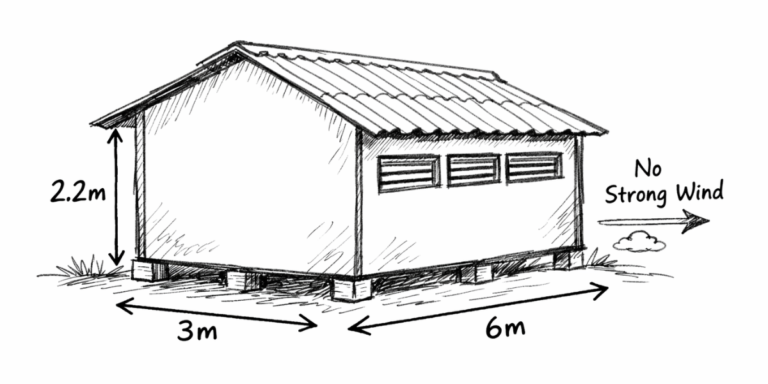
Good housing design makes a big difference. Ensure there’s proper airflow without exposing birds to strong winds. Use curtains or other adjustments to control temperature. Keep the litter dry and avoid overcrowding, as both affect air quality. Regularly observe your birds—changes in behavior can help you catch environmental problems early.
9. Poor Feeding and Watering Systems
Even with good feed, poor equipment can cause problems. If there aren’t enough feeders or drinkers, some birds will miss out. Spillage from poorly designed drinkers can also make the litter wet, increasing the risk of disease.
Prevention
Make sure there are enough feeders and drinkers for all birds. Keep them clean and adjust their height as birds grow. Place them evenly around the house to reduce competition. Most importantly, ensure birds always have access to clean water.
10. Predators, Injuries, and Poor Handling
Sometimes losses come from things outside disease and nutrition. Predators like rats, cats, and dogs can attack birds, especially in poorly secured houses. Rough handling and overcrowding during transport can also cause injuries and stress.
Prevention
Secure your poultry house properly to keep predators out. Handle birds gently and train anyone working with you to do the same. Avoid overcrowding, whether in the house or during transport. Regular checks around the farm can help you spot and fix risks early.
Conclusion
Reducing poultry mortality isn’t about one big fix—it’s about getting the basics right every day. Good feeding, proper vaccination, clean housing, and careful management all work together to keep your birds healthy.
When you focus on prevention instead of reacting to problems, you not only reduce losses but also improve growth, productivity, and profits. With the right approach, poultry farming in Kenya can be both reliable and rewarding.