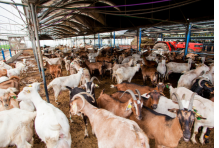
step-by-step Dairy Goat Farming in Kenya for Beginners 2026
Dairy goat farming in Kenya is quickly gaining popularity as a practical and profitable option for small-scale and beginner farmers. As more people become aware of the health benefits of goat milk, demand continues to grow across both rural and urban markets. What makes this venture especially attractive is that it doesn’t require huge capital to start, yet it can generate steady income when managed well. With income coming from milk, breeding, and selling kids, dairy goat farming offers a solid foundation for anyone looking to build a sustainable agribusiness.
If you’re just getting started, the difference between success and struggle often comes down to having the right approach. Dairy goat farming isn’t about trial and error—it’s about following simple, proven practices consistently. This guide breaks everything down into clear, manageable steps so you can avoid common beginner mistakes. From choosing the right goats to feeding, housing and keeping them healthy, each step matters.
Why Dairy Goat Farming in Kenya is Growing
The demand for goat milk in Kenya has been rising steadily, largely because of its reputation as a healthier and easier-to-digest alternative to cow milk. Many people prefer it due to its suitability for those with lactose sensitivity, as well as its nutritional benefits for children, the elderly and individuals with specific dietary needs. This growing awareness has opened up a strong and expanding market, especially in towns and cities where consumers are willing to pay more for quality and health-focused products.
At the same time, the supply of goat milk has not kept up with demand, creating a real opportunity for farmers. Those who invest in proper dairy goat farming practices often find they can sell their milk at premium prices. This gap between demand and supply makes it easier for beginners to enter the market and grow steadily.
Step 1: Choose the Right Dairy Goat Breeds
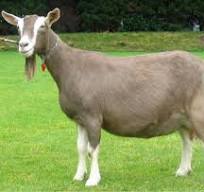
Getting the right breed is one of the most important decisions you’ll make in dairy goat farming. Good genetics directly influence how much milk your goats can produce. Popular breeds like Saanen, Toggenburg, and Alpine are known for their high milk yields, often producing between two to five litres per day when well managed. However, while these breeds perform well, they can be sensitive to local conditions if not handled properly.
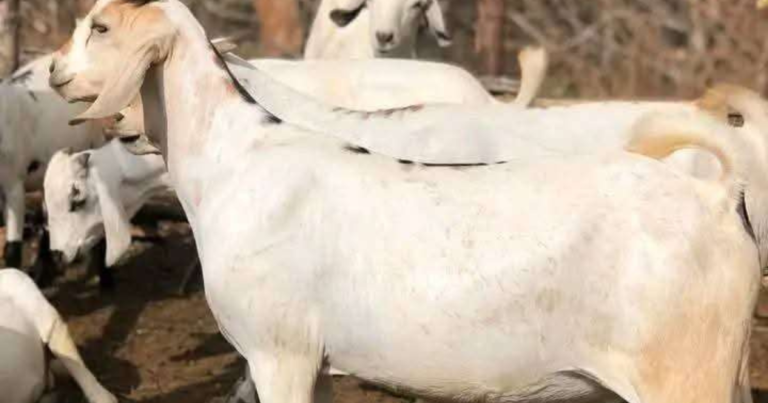
That’s why many experienced farmers recommend starting with crossbreeds, which combine the productivity of exotic breeds with the resilience of local goats. When buying goats, don’t focus only on price—look at overall quality. Healthy goats should be active, have smooth coats, strong legs, and well-formed udders. Always buy from trusted breeders who can guarantee the animal’s health. Investing in good-quality goats from the start saves you many problems later and sets you up for better results.
Step 2: Set Up Proper Housing
Housing plays a bigger role in dairy goat farming than many beginners realize. Goats are very sensitive to damp, dirty environments and poor housing can quickly lead to disease and low milk production. A good goat house should be raised 2-3 feet above the ground to keep it dry, especially during rainy seasons. It should also allow fresh air to circulate while protecting the animals from harsh weather like strong winds or extreme heat.
Ensue each goat has enough room to move comfortably, and it’s best to separate areas for kids, pregnant goats and sick animals. Cleanliness should be a daily priority—removing waste regularly helps keep diseases away. When goats are kept in a clean, dry, and comfortable environment, they stay healthier, produce better-quality milk, and perform more consistently.

Step 3: Feed for High Milk Production
Feeding is the heart of successful dairy goat farming. No matter how good your goats are, poor feeding will always result in low milk production. Goats need a balanced diet, especially when they are producing milk. Unlike cattle, goats prefer browsing on leaves, shrubs, and legumes, so giving them a variety of feeds helps meet their nutritional needs more effectively.
A strong feeding program should include quality forage like Napier grass and lucerne, along with protein supplements such as dairy meal or sunflower cake. Energy feeds like maize germ or bran can also be added, and mineral licks should always be available. Just as important is access to clean water at all times, as even a short shortage can reduce milk production. When goats are fed properly and consistently, their productivity improves significantly.
Step 4: Provide Clean Water and Minerals
Water might seem simple, but it has a huge impact on milk production. Lactating goats need plenty of clean water every day, and even slight dehydration can cause milk yield to drop. Making sure your goats always have access to fresh water is one of the easiest ways to improve performance on your farm.
Minerals are equally important but often overlooked. They help with digestion, strengthen the immune system, and support overall productivity. Without enough minerals, goats may appear weak, grow slowly, or produce less milk. Providing mineral licks allows goats to take what they need naturally. When combined with good feeding, proper water and mineral intake create a strong foundation for consistent milk production.
Step 5: Follow a Proper Feeding Routine
Consistency is something many farmers underestimate, yet it plays a big role in dairy goat farming success. Goats do best when they follow a routine, especially when it comes to feeding. Feeding them at the same times each day helps regulate digestion and keeps their system stable, which in turn supports steady milk production.
A good feeding routine usually involves giving feed two to three times a day. When feeding times are irregular, goats can become stressed, and this often leads to reduced milk output. Keeping things consistent creates a calm and predictable environment, which helps goats perform better.
Step 6: Manage Breeding Properly
Breeding is key to maintaining and improving your herd in dairy goat farming. Goats should be bred at the right age—usually around sixteen months—so they are strong enough to handle pregnancy and milk production. Choosing a good-quality buck and avoiding inbreeding helps ensure strong, healthy offspring with better production potential.
One advantage of goats is their ability to reproduce quickly. A healthy doe can give birth to twins or even triplets, allowing you to grow your herd faster. Proper care during pregnancy, including good feeding and minimal stress, increases the chances of healthy kids. With the right breeding practices, you not only increase your herd size but also improve the quality of your goats over time.
Step 7: Care for Kids Properly
Taking care of kids is an important part of building a successful dairy goat farming business. The first few weeks of a kid’s life are critical, and proper care during this period affects its future productivity. Newborn kids should receive colostrum immediately after birth, as it provides essential nutrients and protects them from diseases.
Kids should be kept in a clean, warm area and monitored closely for any signs of illness. As they grow, proper feeding and timely weaning help them develop into strong and healthy goats. Investing time and care in raising kids properly ensures that you have a reliable and productive herd in the future.
Step 8: Maintain Good Hygiene and Milking Practices
Cleanliness is essential when it comes to milk production. Poor hygiene can lead to contamination, disease, and reduced milk quality. Before milking, always wash your hands and clean the goat’s udder. Using clean containers also helps maintain the quality of the milk you produce.
Milking should be done gently and at the same time every day. Goats respond well to routine, and keeping a consistent schedule helps improve milk flow. When you combine good hygiene with a steady routine, you not only increase milk production but also ensure the milk is safe and of high quality.
Step 9: Disease Prevention and Health Care
Healthy goats are productive goats. Diseases like PPR, worms, and foot rot can quickly affect your herd if not managed properly. The best approach is prevention—regular vaccination, deworming, and maintaining clean housing go a long way in keeping your goats healthy. It’s also important to observe your goats daily. Changes like reduced appetite or a drop in milk production can be early signs of illness. Acting quickly can prevent bigger problems later. Good nutrition and proper care also strengthen the goats’ immunity, reducing the chances of disease. When you prioritize health, your farm runs more smoothly and profitably.
Step 10: Keep Farm Records
Keeping records may seem like extra work, but it’s one of the smartest things you can do in dairy goat farming. Tracking things like milk production, breeding dates, and health treatments helps you understand how your farm is performing. It also allows you to identify your best goats and make better decisions.
Good records help you plan ahead, control costs, and improve efficiency. Over time, they become a valuable tool that guides your growth. Farmers who keep proper records are often more successful because they base their decisions on real information, not guesswork.
Cost and Profit Potential
Starting dairy goat farming in Kenya doesn’t require massive investment, but you still need to plan carefully. The initial cost will depend on the number of goats and the quality of your setup. However, when managed properly, the returns can be very rewarding. Goat milk sells at a premium, and the ability of goats to reproduce quickly adds another source of income.
You can earn from milk sales, breeding, and selling kids, creating multiple income streams. With proper management and reinvestment, your farm can grow steadily. Over time, dairy goat farming can become a reliable and profitable business that supports your long-term goals.
Final Thoughts
Dairy goat farming in Kenya is a practical and rewarding opportunity for anyone willing to learn and apply the right methods. It doesn’t require large land or huge capital, which makes it accessible to many beginners. With the right approach, it can provide both steady income and long-term growth.
Success comes down to consistency and good management. When you focus on quality breeds, proper feeding, hygiene, and routine care, your farm becomes more productive. Over time, these small efforts add up, helping you build a strong and sustainable dairy goat farming business.
Start Small, Grow Smart
You don’t need to start big to succeed in dairy goat farming. Many successful farmers began with just a few goats and expanded gradually by reinvesting their profits. This approach reduces risk and gives you time to learn and improve.Starting small allows you to focus on doing things right from the beginning. As your skills and confidence grow, so will your farm. With patience and consistency, dairy goat farming can grow into a stable and profitable agribusiness that supports your future.