image

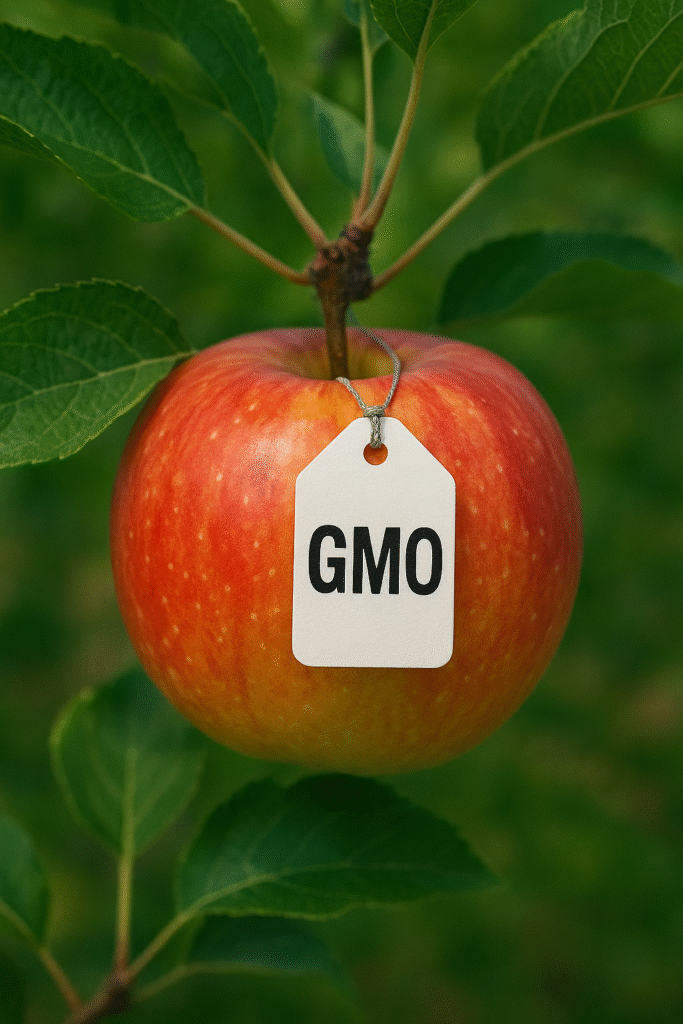
A Powerful Insight into How the Public Views GMOs: Exposing Knowledge Gaps, Cultural Fears, and Diverse Regional Perspectives

Introduction Genetically Modified Organisms (GMOs) — particularly genetically modified (GM) crops and foods — have become a central feature of modern agriculture and food systems. GMOs are organisms whose genetic material has been altered in a way that does not occur naturally, often by the insertion of genes from different species, with the aim of […]
A Powerful Insight into How the Public Views GMOs: Exposing Knowledge Gaps, Cultural Fears, and Diverse Regional Perspectives Read More »

download (3)

A Comprehensive and Powerful Analysis of the Risks and Safety Concerns Associated with Genetically Modified Organisms Using Uncommon Scientific Insights

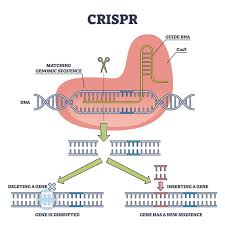
Introduction Genetically modified organisms (GMOs) refer to plants, animals or other organisms whose genetic material has been altered in a laboratory through recombinant-DNA techniques in order to introduce desirable traits such as insect resistance, herbicide tolerance or improved nutritional content. (Wikipedia) The development and adoption of GMO crops have been driven by global demands to

A Comprehensive and Powerful Analysis of the Risks and Safety Concerns Associated with Genetically Modified Organisms Using Uncommon Scientific Insights Read More »

download (1)

How Genetically Crops Reduce Pesticide Use: A Powerful, Eye-Opening Look at the Science, Evidence, and Environmental Benefits Transforming Modern Farming

Intro duction Since the mid-1990s, global agriculture has experienced intensifying pressures: increasing population, demand for food, and concomitant intensification of crop production. Conventional agriculture has often leaned heavily on chemical pesticides — insecticides and herbicides — to counteract pests, weeds, and diseases. While effective in boosting yields, heavy pesticide use has raised serious concerns about environmental

How Genetically Crops Reduce Pesticide Use: A Powerful, Eye-Opening Look at the Science, Evidence, and Environmental Benefits Transforming Modern Farming Read More »

chatgpt image dec 5, 2025, 11 06 43 pm

How GMOs Unlock Exceptional Growth and Higher Yields

Introduction Genetically modified organisms (GMOs) — specifically, genetically modified (GM) crops — refer to plants whose genetic material has been altered using biotechnology techniques to introduce or modify traits not found (or not reliably present) in conventional varieties. Since the mid-1990s, GM crops have seen increasing adoption worldwide, with cultivars engineered mainly for insect resistance

How GMOs Unlock Exceptional Growth and Higher Yields Read More »

What Are Genetically Modified Organisms (GMOs) in Farming?

Introduction: What Are GMOs? Genetically modified organisms (GMOs) in farming are plants, animals, or microbes whose genetic material (DNA) has been deliberately altered using modern biotechnology techniques such as genetic engineering or genome editing. Acoording to WHO these modifications introduce traits that are difficult or impossible to achieve through traditional breeding, including pest resistance, herbicide

What Are Genetically Modified Organisms (GMOs) in Farming? Read More »

Beef vs Dairy Cattle Breeding: Key Differences, Management, and Practical Lessons for Farmers

INTRODUCTION Cattle breeding forms the backbone of livestock production worldwide, but the goals and management practices differ sharply between beef and dairy systems. While both types of cattle share biological foundations, the breeding objectives, nutritional demands, reproductive management, and economic priorities contrast significantly. This post explores those differences in depth—helping farmers, breeders, and livestock enthusiasts

Beef vs Dairy Cattle Breeding: Key Differences, Management, and Practical Lessons for Farmers Read More »

Step-by-step on how to start poultry business kenya(2026)

1. Regulatory Requirements in 2026 Starting a poultry business in Kenya requires a strong understanding of the legal framework governing the sector. In 2025, the primary guideline for poultry farming is the Livestock (Poultry Industry) Regulations, 2023, which were introduced to improve animal health, product quality, and market transparency. These regulations set clear standards on

Step-by-step on how to start poultry business kenya(2026) Read More »

Sustainable Tea Farming in Kenya: Practices, Benefits, and Profitable Solutions

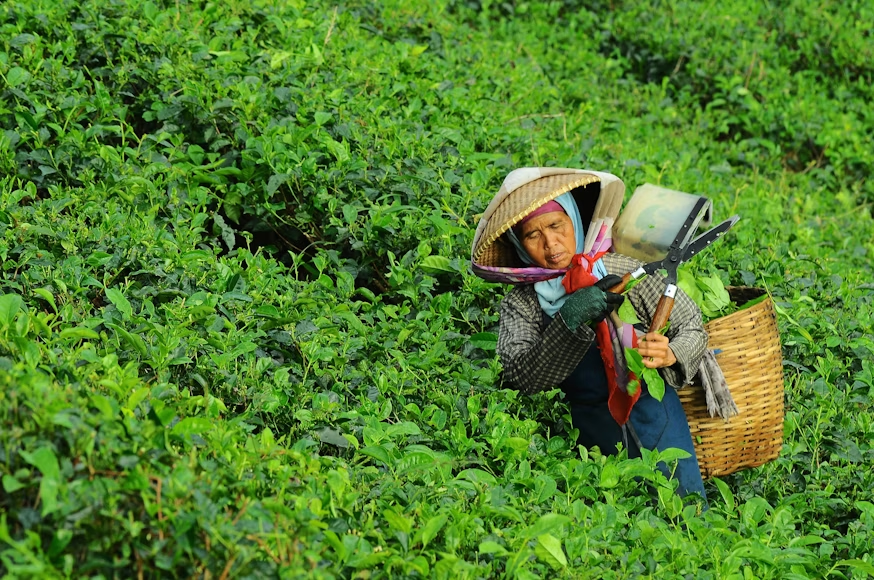
Kenya’s tea industry is a cornerstone of its economy, contributing about 23% of total agricultural export earnings and supporting millions of livelihoods. As global markets shift toward ethical sourcing and environmentally friendly production, sustainable tea farming offers not just ecological benefits — but also significant economic and social rewards for Kenyan farmers and producers. This

Sustainable Tea Farming in Kenya: Practices, Benefits, and Profitable Solutions Read More »

photo 1433704334812 6c45b0b8784d

How to Supply Tea to the Kenya Tea Development Agency (KTDA)

Supplying tea to the Kenya Tea Development Agency (KTDA) is a structured process that connects over 600,000 smallholder farmers to global tea markets. The system ensures fair trade, quality control, and compliance with Kenyan agricultural laws. Below is a comprehensive breakdown of the steps, documentation, and compliance requirements for farmers intending to supply tea to

How to Supply Tea to the Kenya Tea Development Agency (KTDA) Read More »

Sustainable Tea Farming in Kenya: A Comprehensive Guide

Kenya stands tall as one of the world’s leading tea producers, celebrated for its high-quality, aromatic teas grown in cool, elevated regions like the Rift Valley, the Aberdare Range, and the slopes of Mount Kenya. Tea is not only a cornerstone of Kenya’s export economy but also a livelihood source for over 600,000 smallholder farmers.

Sustainable Tea Farming in Kenya: A Comprehensive Guide Read More »