Goat Farming in Arid Areas of Turkana
Introduction
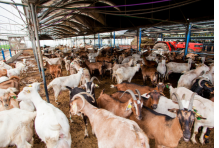
Goat farming is an important livelihood activity in the arid region of Turkana, Kenya. The resilience of goats makes them especially suited to harsh climatic conditions, limited pasture, and dry seasons. When managed with proper feeding, health care, and breeding practices, goats offer meat, milk, income, and cultural significance. This guide explores the key aspects of goat farming in Turkana, offering practical insights so that farmers can increase productivity and improve livelihoods even in challenging environments.
Understanding the Arid Conditions of Turkana
Turkana lies in northern Kenya and is one of the driest regions in the country. With annual rainfall often below 250–400 mm and temperatures frequently exceeding 30°C, grazing resources can be scarce. Pastoralism has long been the backbone of Turkana communities, and goats remain central because they tolerate heat better than most livestock. Understanding these environmental limitations helps farmers implement feeding and management strategies that support growth and survival even when feed and water are limited.
Importance of Goat Farming in Turkana’s Economy
Goat farming in Turkana is not only a cultural practice but also a key economic activity. Livestock provides food security, income through sales of goats and goat products, and acts as a form of savings and social status. While exact regional GDP data is limited, livestock — especially goats — consistently ranks as one of the primary sources of livelihood in Turkana households. With strategic management, goat farming can enhance resilience against climate stress and generate sustainable income.
Goat Breeds Best Suited for Turkana’s Arid Environment
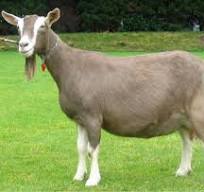
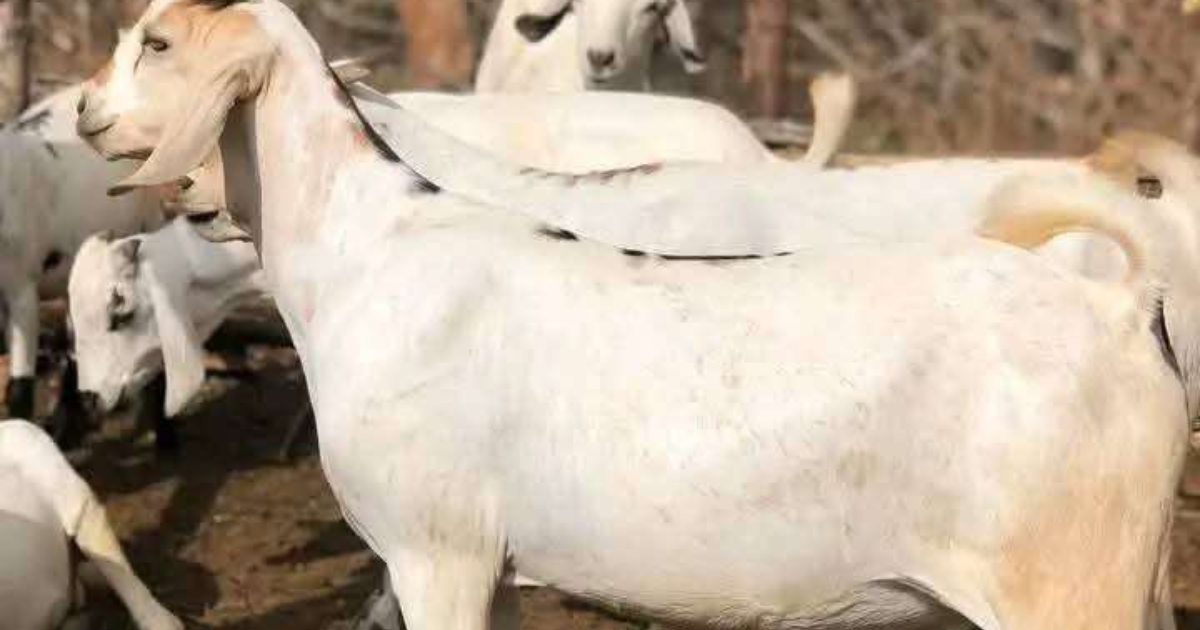
In arid settings like Turkana, choosing the right goat breeds improves survival and productivity. Indigenous breeds such as the Small East African goat and Somali goat are widely favored because they are drought tolerant, heat adapted, and able to utilize sparse vegetation. These goats don’t require high quality pasture to survive, making them ideal for nomadic and semi nomadic systems. Their natural resilience makes them the preferred choice for smallholders in harsh environments.
Feed and Nutrition in Arid Conditions
In Turkana, browsing (feeding on shrubs, leaves, and bushes) forms the basis of a goat’s diet. Natural rangelands supply the primary feed, especially during the rainy season. However, during long dry spells, forage becomes limited, and supplementary feeding becomes necessary. Farmers can support goat nutrition by offering crop residues, legume forages like desmodium and lucerne, and strategic feed supplements such as maize bran and sunflower seed cake, which improve growth and body condition.
Water Management: A Key Survival Strategy
Water scarcity in Turkana makes efficient water management crucial for goat survival and productivity. Goats in arid regions can withstand long dry periods better than cattle, but they still need regular access to clean water to support digestion, temperature regulation, and overall health. Farmers in Turkana often use rainwater harvesting, water pans, and community boreholes to ensure goats have adequate water year round.
Seasonal Feeding Strategies for Arid Zones
Seasonal variations significantly affect feed availability in Turkana. During rainy periods, natural forage is abundant, and goats gain weight easily. In dry seasons, pasture becomes brittle and sparse, requiring farmers to adapt. Stockpiling hay during peaks, leasing pasture with other communities, or using fodder banks helps ensure goats receive nutrition even when natural feed is low. These strategies support consistent goat condition throughout the year.
Health and Disease Prevention
Health management is essential for goat productivity. Disease outbreaks such as Peste des Petits Ruminants (PPR) and parasite infestations can spread rapidly and cause high mortality. In Turkana, farmers benefit from routine vaccinations, deworming, and parasite control. A veterinary, approved vaccination schedule can significantly reduce disease losses and improve overall herd health, helping goats maintain appetite, growth, and reproductive performance.
Goat Reproduction and Breeding Practices
Good breeding practices increase the productivity of goat herds. In Turkana, natural breeding methods are commonly used. Farmers can improve herd quality by practicing controlled mating, selecting bucks with desirable traits (health, growth, fertility), and planning breeding seasons to coincide with periods of better pasture availability. Such practices ensure kids are born when feed resources are more abundant, supporting better survival rates.
Marketing Goats in Turkana
Goats are highly marketable livestock in Kenya due to consistent demand for goat meat (chevon) and live animals. Markets in Turkana often link to nearby towns such as Lokichogio, Lodwar, and Kitale, where traders buy goats for slaughter or resale. Participating in livestock markets during festive seasons — especially Muslim holidays — can result in higher prices. Understanding local market trends helps farmers plan sales for maximum return.
Value Addition Opportunities
Beyond selling live goats, farmers can explore value added products such as goat milk, cheese, and hides. Goat milk can fetch a premium in areas where fresh dairy is limited, and hides can be sold to leather processors. These value addition practices diversify income streams and make goat farming more profitable even in arid settings like Turkana.
Economic Impact on Turkana Households
While detailed regional economic statistics are limited, livestock — especially goats — remain one of the main contributors to livelihoods in Turkana. Cultural practices and traditional livestock systems intertwine with economic needs, and goats consistently provide meat, income, and trade value. Increased productivity through improved feeding and health care directly strengthens household food security and economic resilience.
Sustainable Rangeland Management
Turkana’s fragile rangelands require careful management to prevent degradation and maintain feed sources. Practices like rotational grazing, maintaining wildlife corridors, and controlled watering points help sustain grass and browse availability. Farmers can also work with community groups to establish fodder banks of drought tolerant forage crops, preserving nutrition sources through the dry season.
Role of Youth and Community Networks
Youth and community groups in Turkana are increasingly active in goat farming. Through knowledge sharing, cooperative marketing, and collective feed purchases, farmers improve negotiating power and reduce individual risk. These networks also aid in organizing vaccination campaigns and connecting farmers to buyers, strengthening the social and economic aspects of goat farming.
Challenges Facing Goat Farmers in Turkana
Goat farming in Turkana is not without challenges. Water scarcity, recurrent droughts, conflict over grazing land, limited veterinary services, and feed shortages are common hurdles. However, farmers overcome many of these challenges through adaptive strategies — including breed selection, seasonal feeding plans, and community collaboration — that help maintain herd productivity.
Practical Steps to Improve Goat Farm Productivity
Farmers can start by:
- Selecting drought adapted breeds like Small East African and Somali goats.
- Providing balanced nutrition with seasonal supplements.
- Ensuring consistent access to clean water.
- Practicing routine vaccinations and parasite control.
- Planning breeding to align with forage availability.
These steps help goats grow faster, stay healthier, and increase market value.
Success Stories from Turkana Goat Farmers
In some Turkana communities, organized goat farmers report improvements in productivity through shared grazing agreements, collective marketing, and coordinated health care. These groups participate in county livestock programs, receive extension services, and adopt feeding innovations that support improved goat growth, higher sale prices, and better household welfare.
Conclusion
Goat farming in Turkana demonstrates that even in arid, resource limited areas, livestock enterprises can thrive when matched with appropriate management strategies. By focusing on resilient breeds, effective feeding, health care, and community collaboration, farmers increase productivity and secure sustainable income. As climate pressures continue, adaptive goat farming practices remain key to supporting livelihoods and enhancing food security in Turkana’s dry landscapes.