Technology

Upto Date Agricultural Technology

41lvz2gr1 l. mcnd ac

BEST GUIDE FOMYACUC Tractor GPS Navigator (2026)

Key Features of the MYACUC Tractor GPS Navigator Smart GNSS Guidance with AB Line Planning The MYACUC GPS Navigator allows users to: These features help reduce overlaps and missed strips, improving field accuracy during day or night operations. Multi-Frequency GNSS Positioning The system uses L1–L5 multi-frequency GNSS technology, which offers more stable positioning compared to […]

BEST GUIDE FOMYACUC Tractor GPS Navigator (2026) Read More »

download (2)

The Powerful Truth Behind How GMO Seeds Shape Farmers’ Choices and Deepen Their Unseen Dependence on Seed Companies

Introduction  The adoption of genetically modified (GMO) seeds has introduced a transformative shift in agricultural production systems, influencing both technological adoption pathways and farmer-level decision-making. Historically, seed selection was governed by farmer-managed seed systems that promoted local adaptation, genetic diversity, and intergenerational knowledge transfer. However, the proliferation of patented GMO varieties—often marketed for traits such

The Powerful Truth Behind How GMO Seeds Shape Farmers’ Choices and Deepen Their Unseen Dependence on Seed Companies Read More »

chatgpt image dec 5, 2025, 10 56 27 pm

Long-Term Impacts of GMO Cultivation on Soil Health and Agricultural Sustainability: A Powerful Scientific Analysis

 Policy & Regulatory Systems Effective regulatory frameworks are crucial for ensuring long-term GMO sustainability. Many countries rely on short-term risk assessments that focus on trait-specific safety but lack robust monitoring for cumulative ecological impacts. Long-term ecological processes—such as soil microbial shifts, gene flow, and resistance evolution—require post-release monitoring and adaptive regulation. Biosafety policies must balance

Long-Term Impacts of GMO Cultivation on Soil Health and Agricultural Sustainability: A Powerful Scientific Analysis Read More »

image

A Powerful Insight into How the Public Views GMOs: Exposing Knowledge Gaps, Cultural Fears, and Diverse Regional Perspectives

Introduction Genetically Modified Organisms (GMOs) — particularly genetically modified (GM) crops and foods — have become a central feature of modern agriculture and food systems. GMOs are organisms whose genetic material has been altered in a way that does not occur naturally, often by the insertion of genes from different species, with the aim of

A Powerful Insight into How the Public Views GMOs: Exposing Knowledge Gaps, Cultural Fears, and Diverse Regional Perspectives Read More »

download (3)

A Comprehensive and Powerful Analysis of the Risks and Safety Concerns Associated with Genetically Modified Organisms Using Uncommon Scientific Insights

Introduction Genetically modified organisms (GMOs) refer to plants, animals or other organisms whose genetic material has been altered in a laboratory through recombinant-DNA techniques in order to introduce desirable traits such as insect resistance, herbicide tolerance or improved nutritional content. (Wikipedia) The development and adoption of GMO crops have been driven by global demands to

A Comprehensive and Powerful Analysis of the Risks and Safety Concerns Associated with Genetically Modified Organisms Using Uncommon Scientific Insights Read More »

download (1)

How Genetically Crops Reduce Pesticide Use: A Powerful, Eye-Opening Look at the Science, Evidence, and Environmental Benefits Transforming Modern Farming

Intro duction Since the mid-1990s, global agriculture has experienced intensifying pressures: increasing population, demand for food, and concomitant intensification of crop production. Conventional agriculture has often leaned heavily on chemical pesticides — insecticides and herbicides — to counteract pests, weeds, and diseases. While effective in boosting yields, heavy pesticide use has raised serious concerns about environmental

How Genetically Crops Reduce Pesticide Use: A Powerful, Eye-Opening Look at the Science, Evidence, and Environmental Benefits Transforming Modern Farming Read More »

chatgpt image dec 5, 2025, 11 06 43 pm

How GMOs Unlock Exceptional Growth and Higher Yields

Introduction Genetically modified organisms (GMOs) — specifically, genetically modified (GM) crops — refer to plants whose genetic material has been altered using biotechnology techniques to introduce or modify traits not found (or not reliably present) in conventional varieties. Since the mid-1990s, GM crops have seen increasing adoption worldwide, with cultivars engineered mainly for insect resistance

How GMOs Unlock Exceptional Growth and Higher Yields Read More »

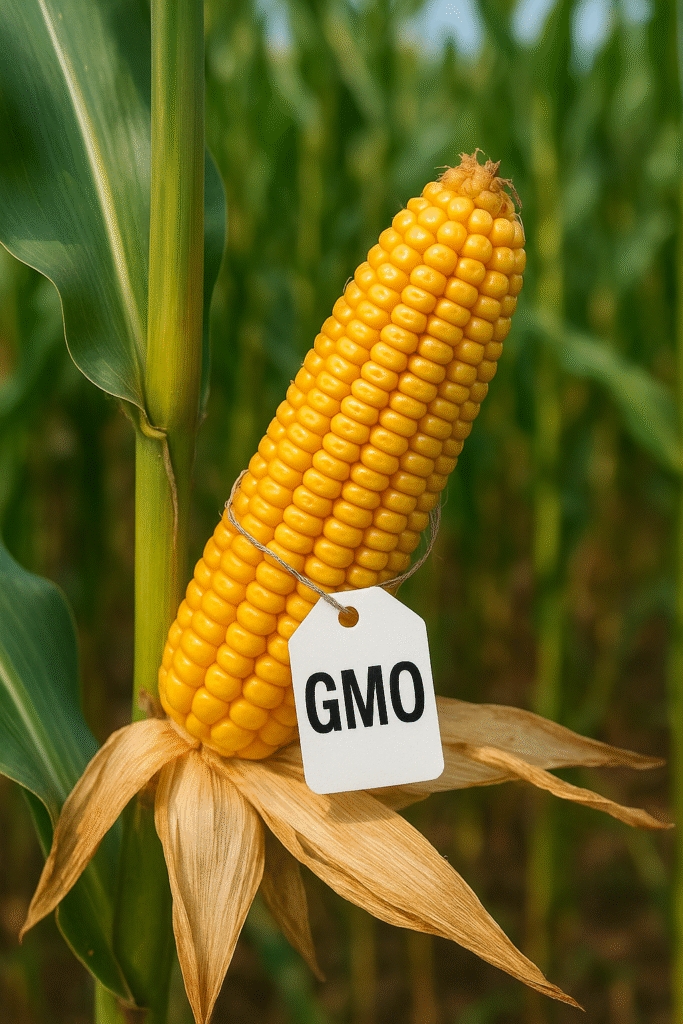
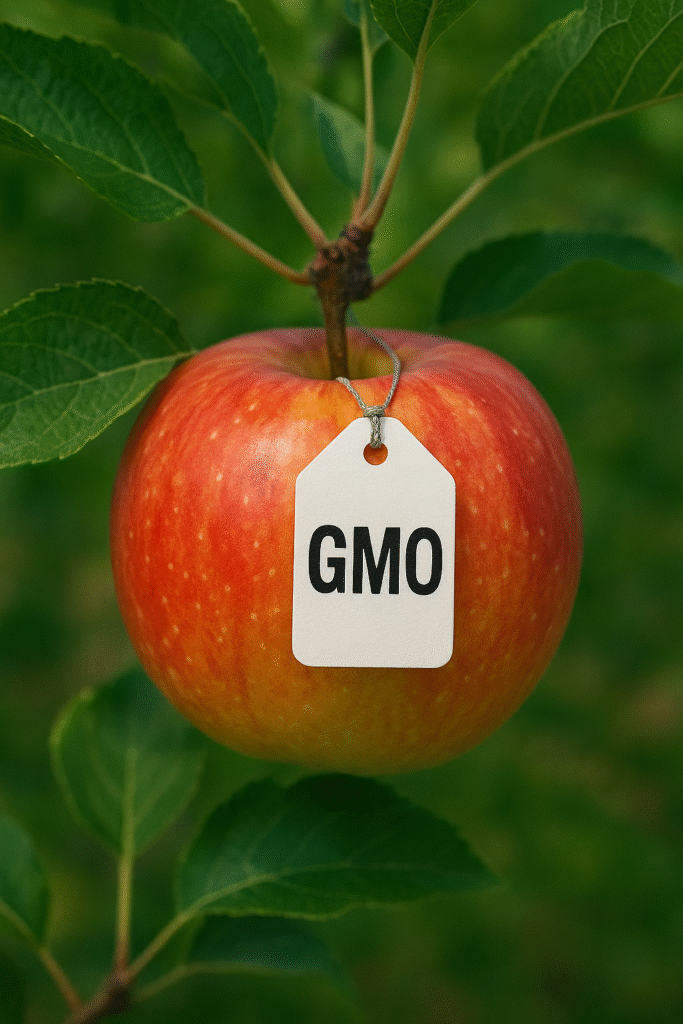
What Are Genetically Modified Organisms (GMOs) in Farming?

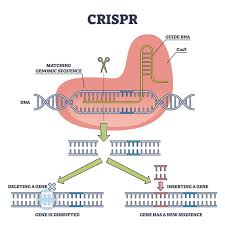
Introduction: What Are GMOs? Genetically modified organisms (GMOs) in farming are plants, animals, or microbes whose genetic material (DNA) has been deliberately altered using modern biotechnology techniques such as genetic engineering or genome editing. Acoording to WHO these modifications introduce traits that are difficult or impossible to achieve through traditional breeding, including pest resistance, herbicide

What Are Genetically Modified Organisms (GMOs) in Farming? Read More »

How AI-Driven Drones, Sensors, and Robotics Optimize Crop Monitoring, Irrigation, and Harvesting

Agriculture is undergoing a remarkable transformation driven by advancements in artificial intelligence (AI), robotics, and sensor technology. Traditionally, farming relied heavily on manual labor, intuition, and historical knowledge. While these methods have sustained humanity for centuries, they often struggle to meet the demands of modern food systems characterized by rising populations, climate change, limited arable

How AI-Driven Drones, Sensors, and Robotics Optimize Crop Monitoring, Irrigation, and Harvesting Read More »

download (2)

Climate-Smart Farming Technologies: Adapting to Climate Change

Climate change is one of the biggest challenges facing agriculture today. Unpredictable rainfall, prolonged droughts, and rising temperatures threaten food security and farmer livelihoods. To overcome these challenges, farmers are increasingly turning to climate-smart farming technologies that improve resilience while boosting productivity. One key technology is precision irrigation. Using drip systems, solar pumps, and IoT

Climate-Smart Farming Technologies: Adapting to Climate Change Read More »